
In April 2026, my bestie and I stayed in San Francisco for a few days; because driving and parking in the City is as close as you can get to hell on earth, we got to experience SF like a local: using Muni and our chevro-legs to get around. Plus the weather was perfect, so why not enjoy the day out?
The Clipper Card
It had been a while since I used my clipper card, and I had switched phones since then. I knew I had to transfer my card between phones, and since SF is full of techies, that should be easy to do right? Right?
Follow my easy steps below:
- Open your Google wallet to transfer your clipper card from your old phone to the new one. Oh, but Google says you need to download the Clipper App on the new phone.
- After downloading the app, remember your log in from a year ago. You’ll get it after enough tries.
- Have a balance on your old card? You can use that to apply to a day pass! Just add your payment info here and press “Process Payment”
- Oh wait, it failed. That’s weird. Maybe you entered something wrong. Try it again.
- Oh, that didn’t work either. Well maybe you just selected something wrong. Try it again.
- Still failing? Maybe transfer your card to your google wallet in the Clipper App. Wait, that got an error.
- Don’t lose hope yet. You still need that day pass, right? Try opening your Google Wallet and adding the Clipper pass that way.
- Hey look! They connected! Maybe you can purchase fare in the Clipper app now that they’re linked.
- You’re beginning to think Clipper doesn’t accept money because it can’t process payments? You might be on to something.
- How about using Google Wallet again? There’s nothing to lose at this point.
- Enjoy your hard-earned day pass.
Easy, right?
But what if you’re looking for a bit more of a challenge when acquiring your transit pass? Or maybe you just value your privacy and you don’t want to download the app? Don’t worry! It’s almost as bad as the apps! When you get to the station, you’ll be left starting at multiple-fare machines that require a clipper card, but none of them will issue you a card. Well, there’s a single station with a dim orange off in the corner that issues cards, but let’s not draw attention to that machine while you’re worried about missing the train. The upside of transit in SF is that even though we missed our train, our next one was only a 6-minute wait, and once you have your card, you’re ready to go.
Psych! You tried to go through a gate but it won’t open. Why isn’t it opening? There system doesn’t tell you anything outside of a loud BEEP of shame. As you look around, you notice small signage that says this is the BART gate, and you’ve only got a Muni pass.
Now you’re ready to go!
Overall, both processes were as intuitive as the transit user experience should be to encourage people to (not) use the system!
Daily Passes
One of the joys of a digital transit pass is when you put cash on a transit card, it caps how much you’re charged once you’ve reached the “daily pass” amount and no more money is deducted.
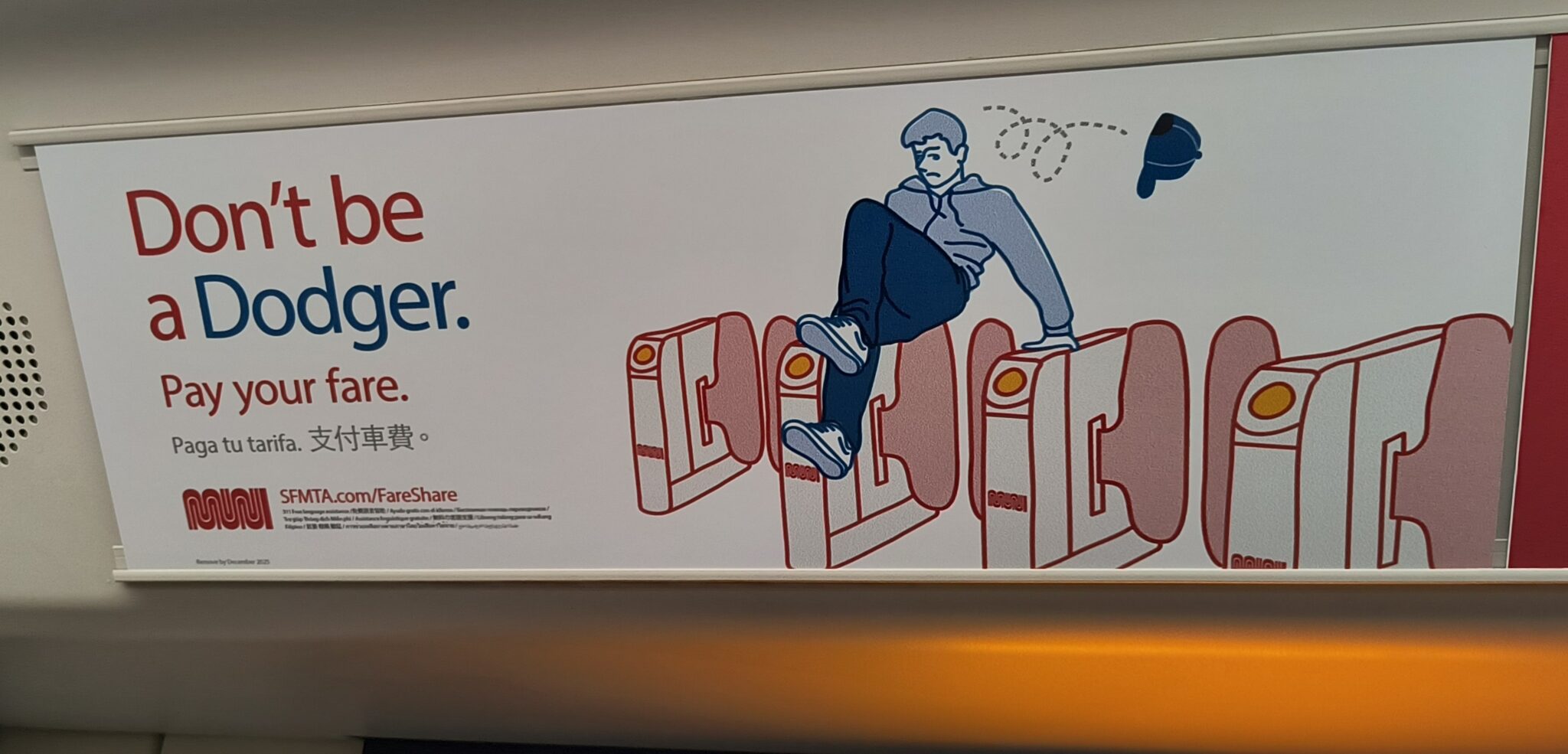
So, with that in mind, I confidently told my friend there shouldn’t be any issues with them riding with me all day even though the system only allowed them to put a dollar amount on their Clipper card instead of a Muni daily pass. Things went great until it was clear that the Clipper Card did not work like I thought. And since we’re not Dodgers fans, we had to scramble at the train station again and spend another $3 single ride pass from a fare machine.
At least we got to see this ad on the train.
Using Muni
Enough harping on Muni, don’t you love when transit works right? I know I do! Without even realizing it, the hotel was literal steps away from the train station. I was shocked, and I’m looking forward to using Muni more when I visit next!
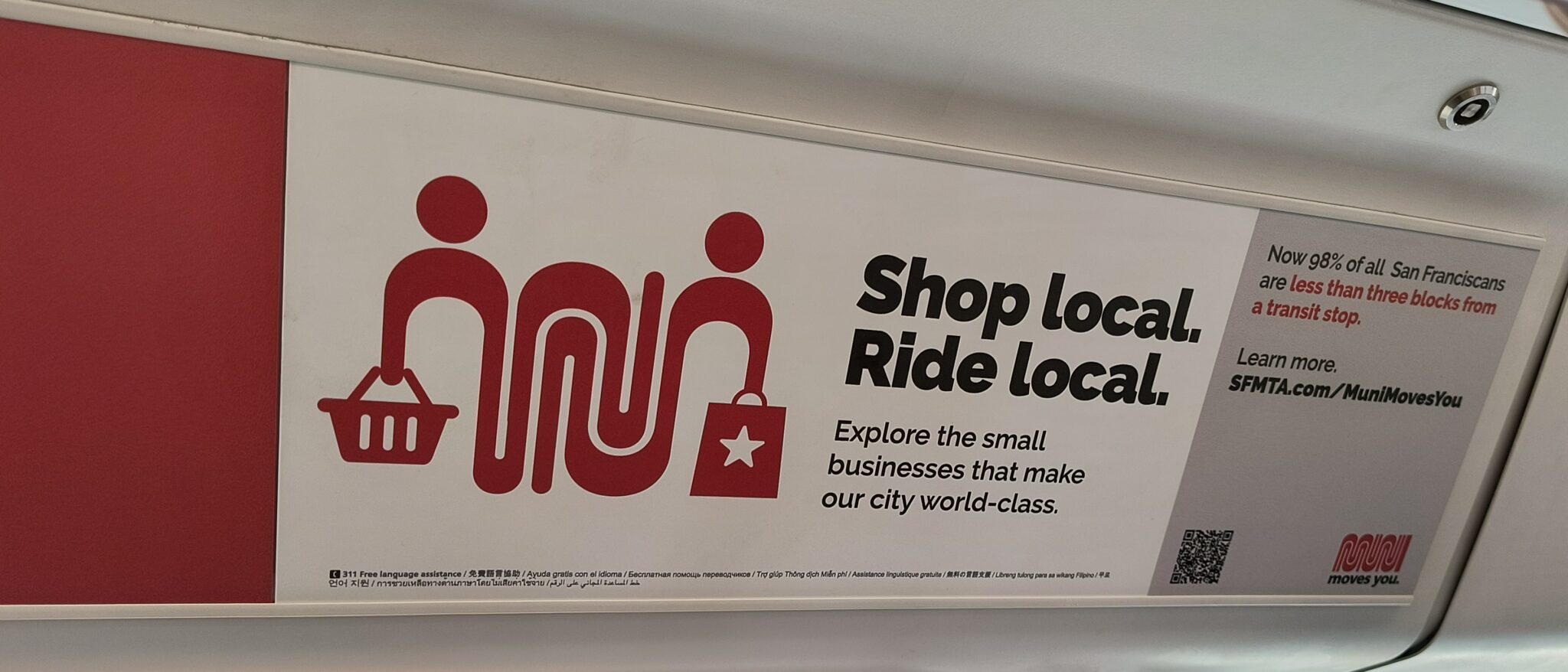
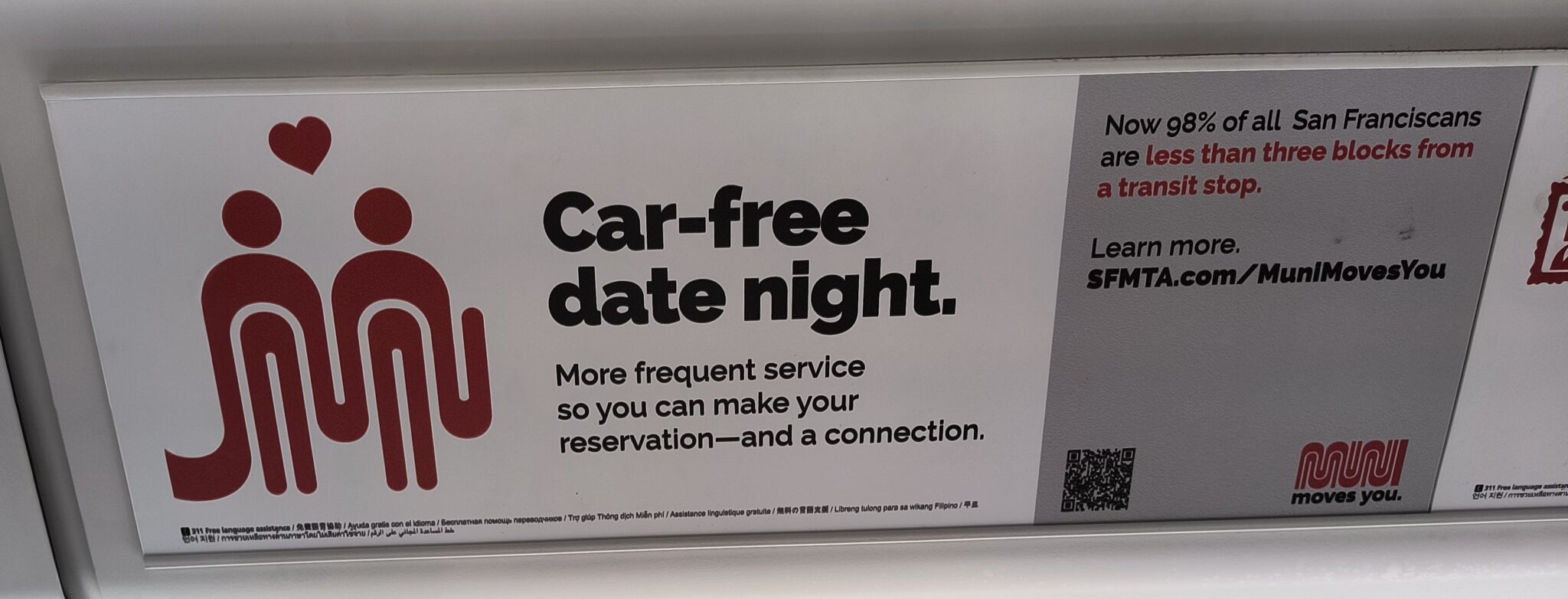
The buses were very nice, the light rail was cute, and Muni went everywhere I wanted to go. I guess their ads were right.
Street Calming
Maybe it just feels right because I’m a Giants fan, but there’s something all-American to me about walking or taking transit to a baseball game. When we were walking towards Oracle park, we saw several changes that SF has made to its streets like:
Two-way Separated Bike Lanes
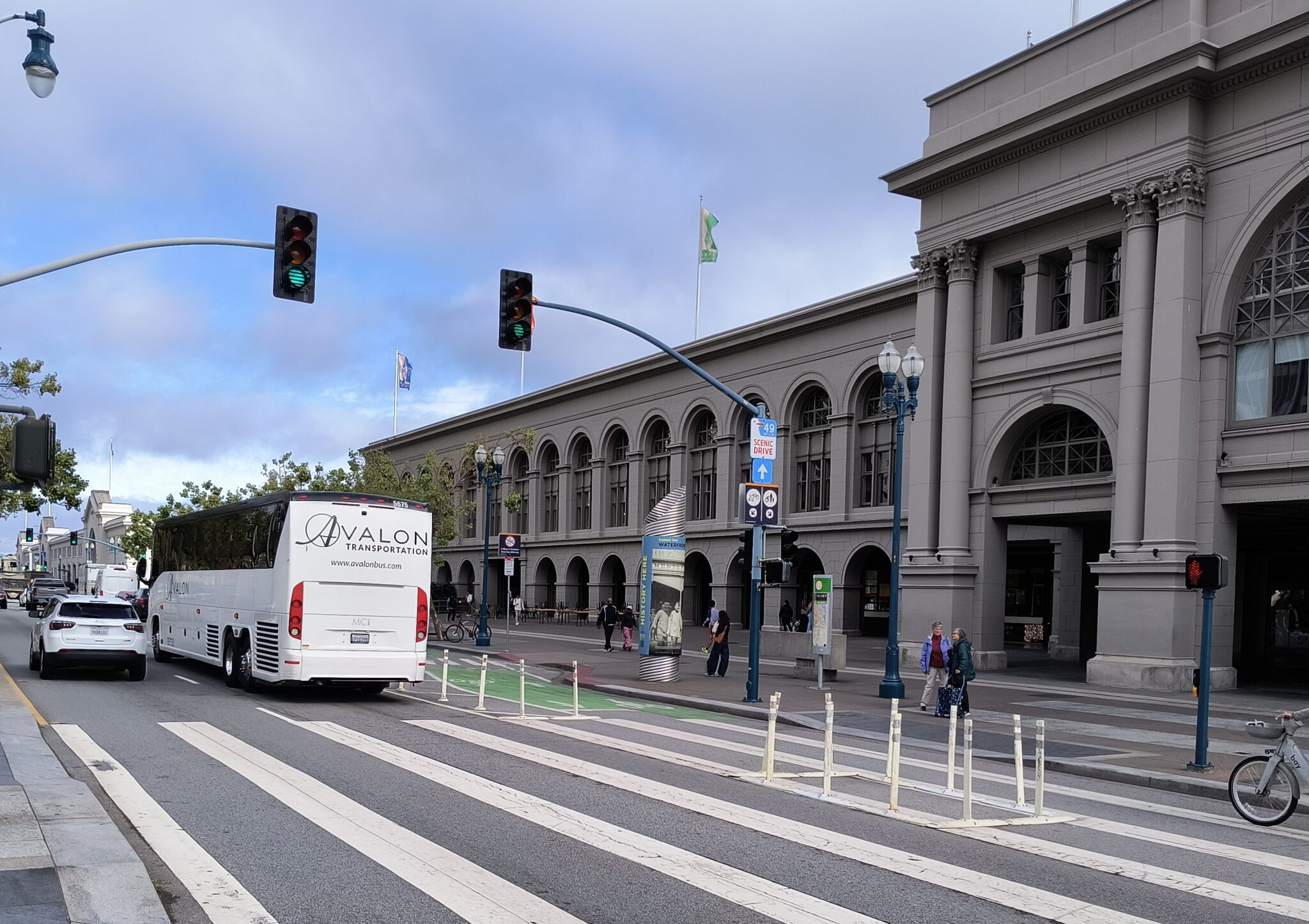
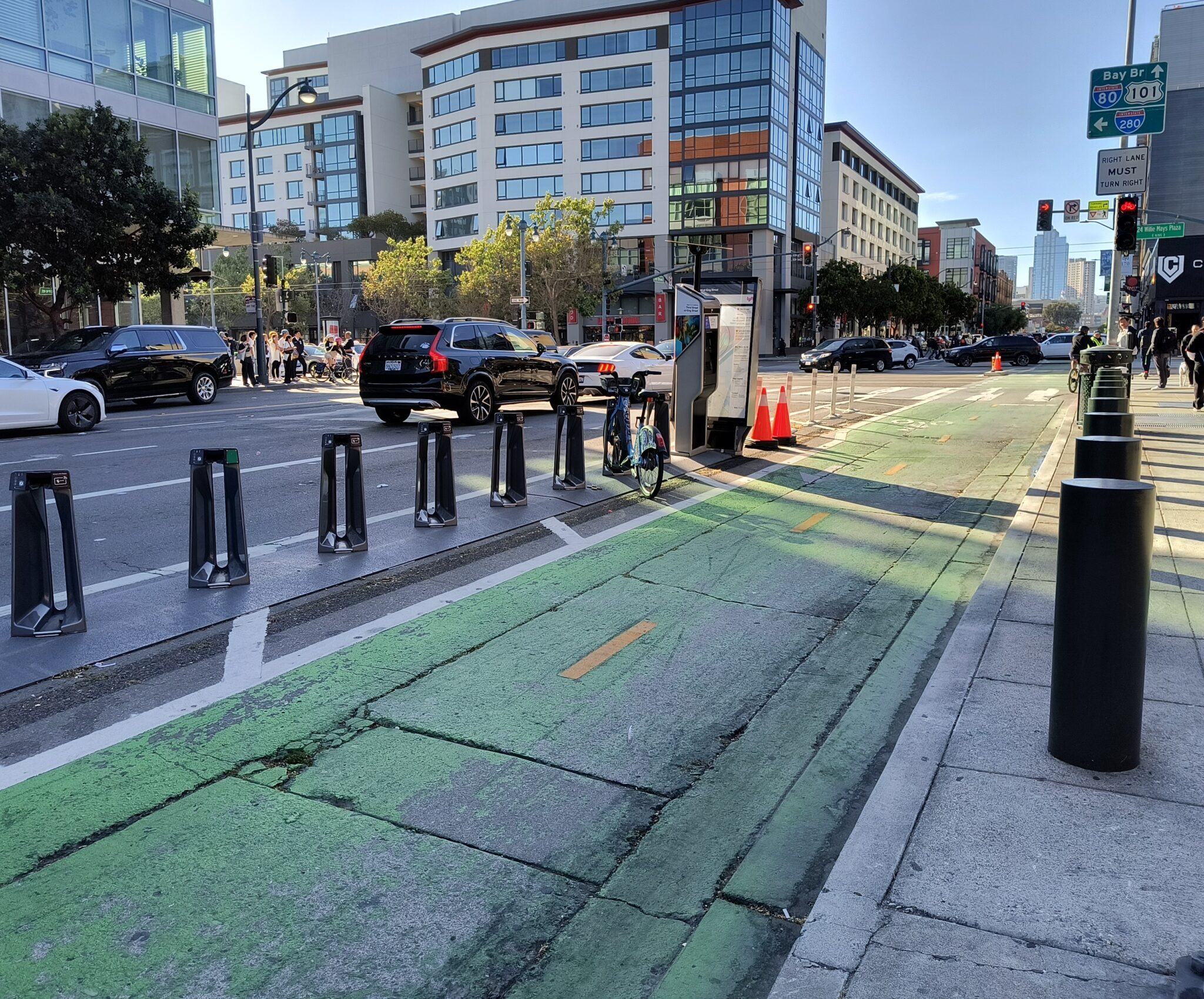
These seem like a great idea! It takes up almost the same space as a car lane, and you only have to protect one set of bike lanes meaning it is costs effective. One of the more thoughtful designs we came across was near the Embarcadero, where flex posts were added in the pedestrian crossing so that cars did not encroach on the bike trail.
Charging Bollards
Need a great way to protect bike trails, get people on bikes, and have them right at the trail? Consider using bike charging stations as bollards!
Flex Those Lanes
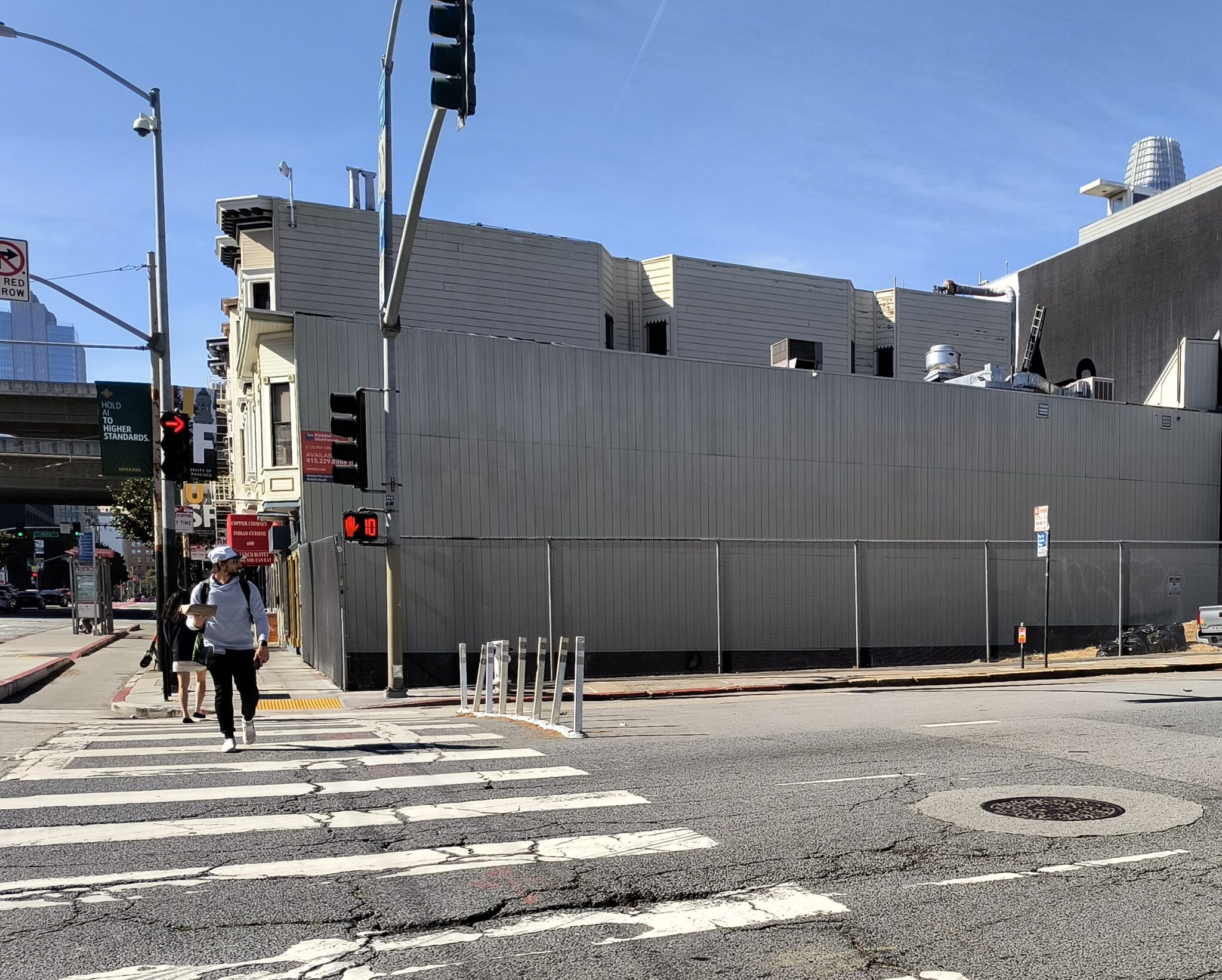
We also found some flex posts that were blocking an entire lane because it improved driver behavior (i.e. drivers were forced to turn rather than deciding they wanted to keep going down the road.
Alley Art
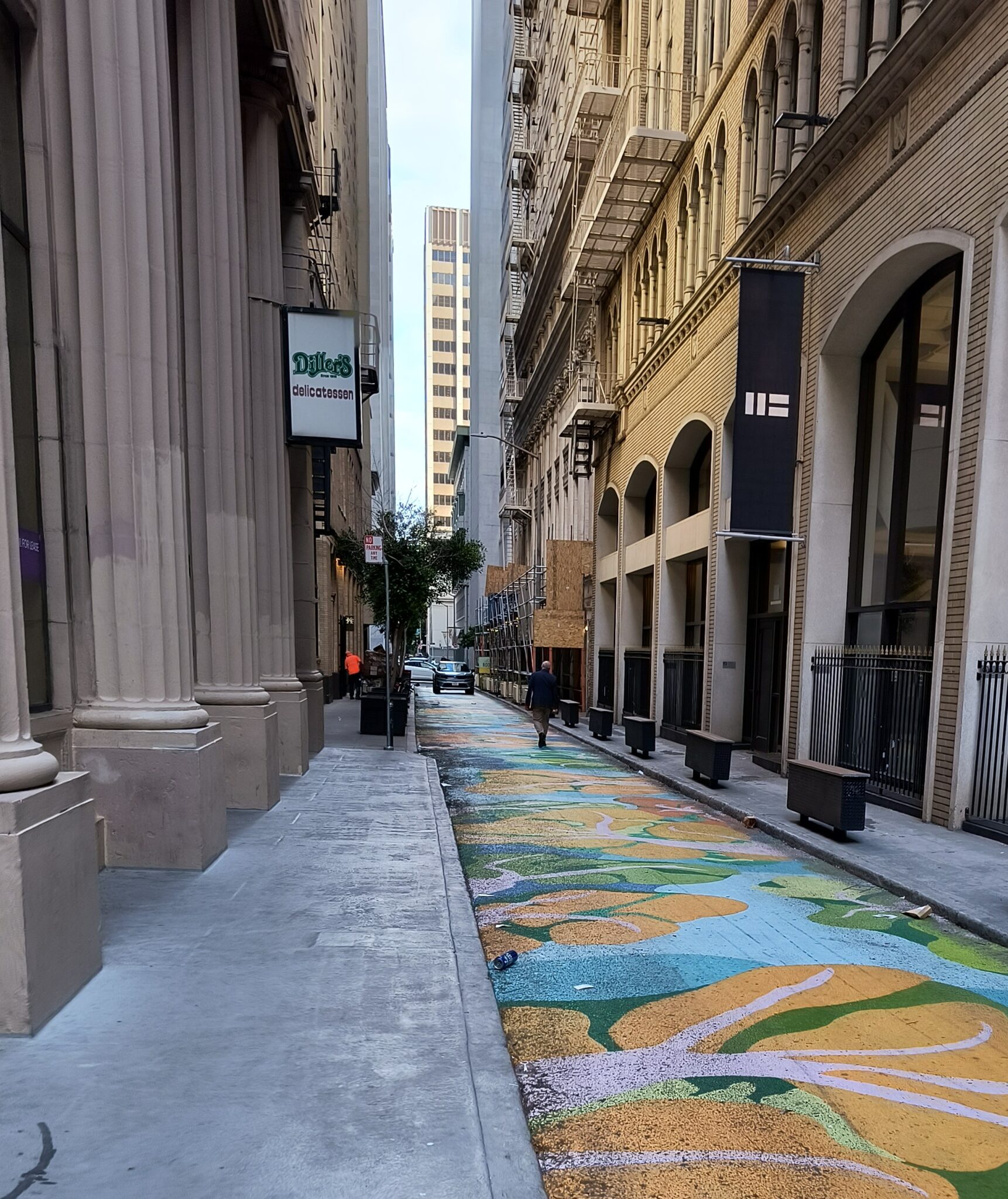
I’m also a big fan of when alley art is used. It helps create a more beautiful space in an otherwise dingy looking spot, is more inviting to pedestrians, and declares that it’s not just a car centric space.
Pedestrian Spaces
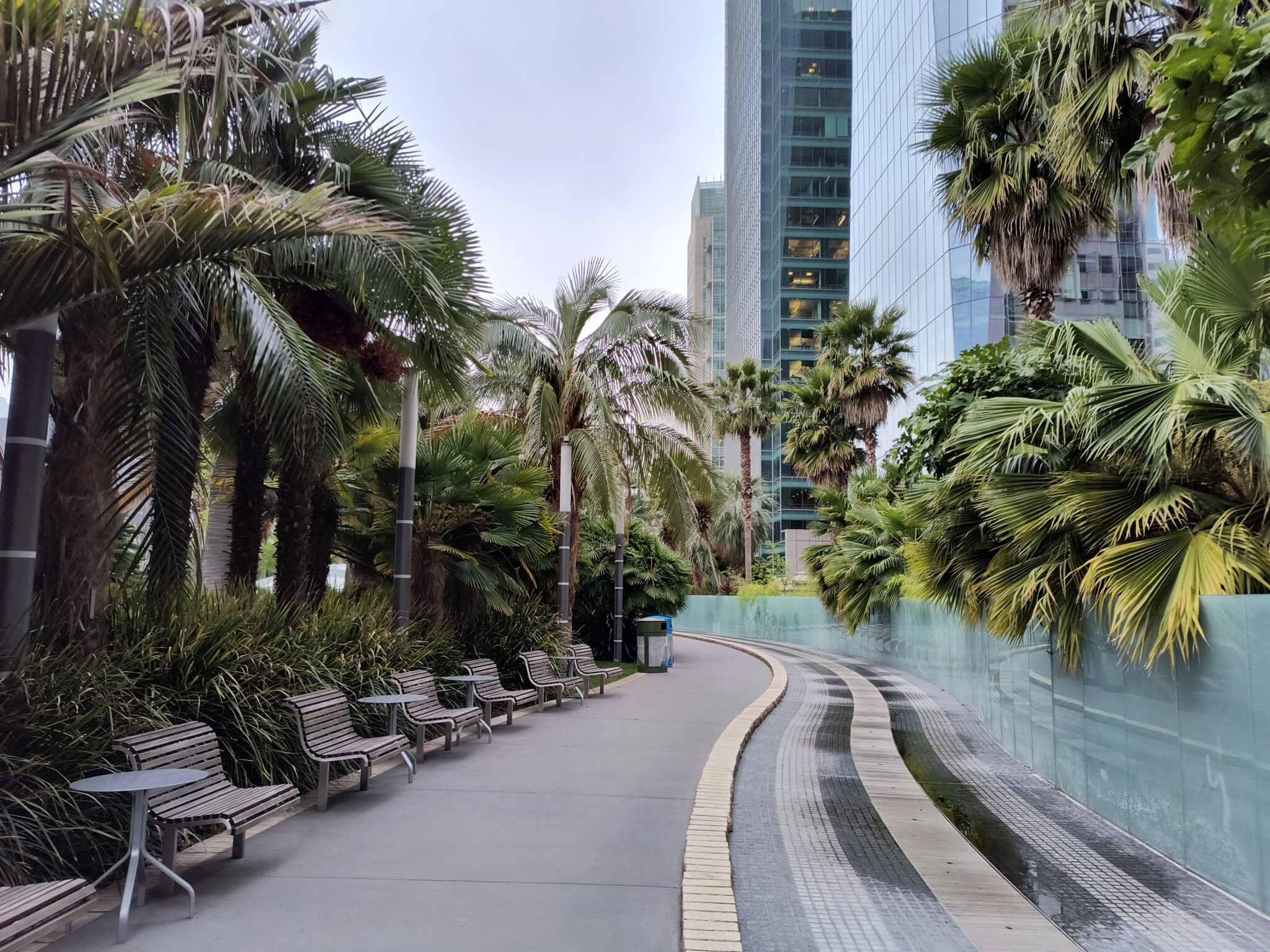
Have you ever found yourself just sitting outside in a place that isn’t a home, business, or car, and no one comes up to you to say you need to leave? These are called public spaces, and it’s a shame we don’t have more of them in Sacramento.
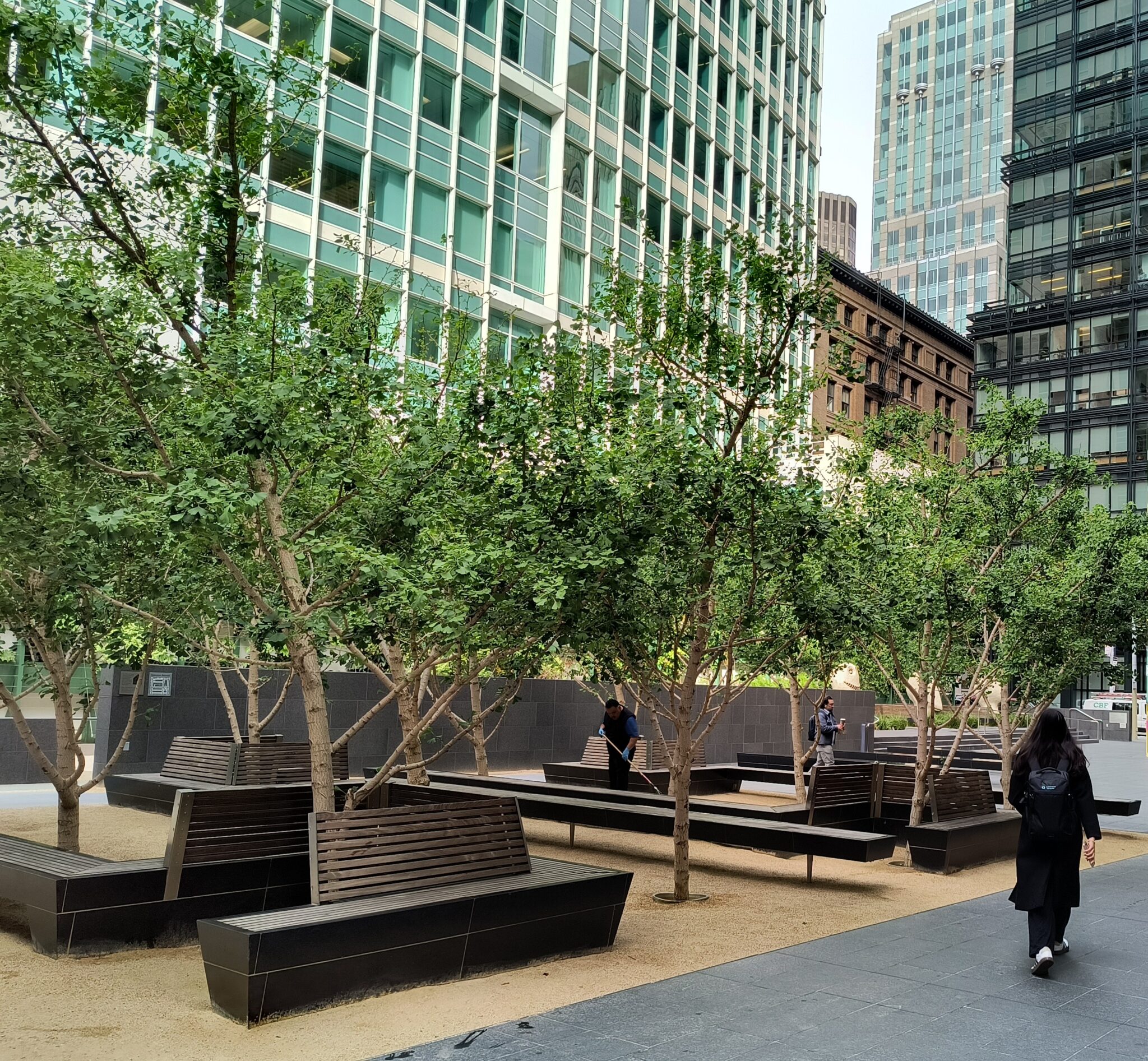
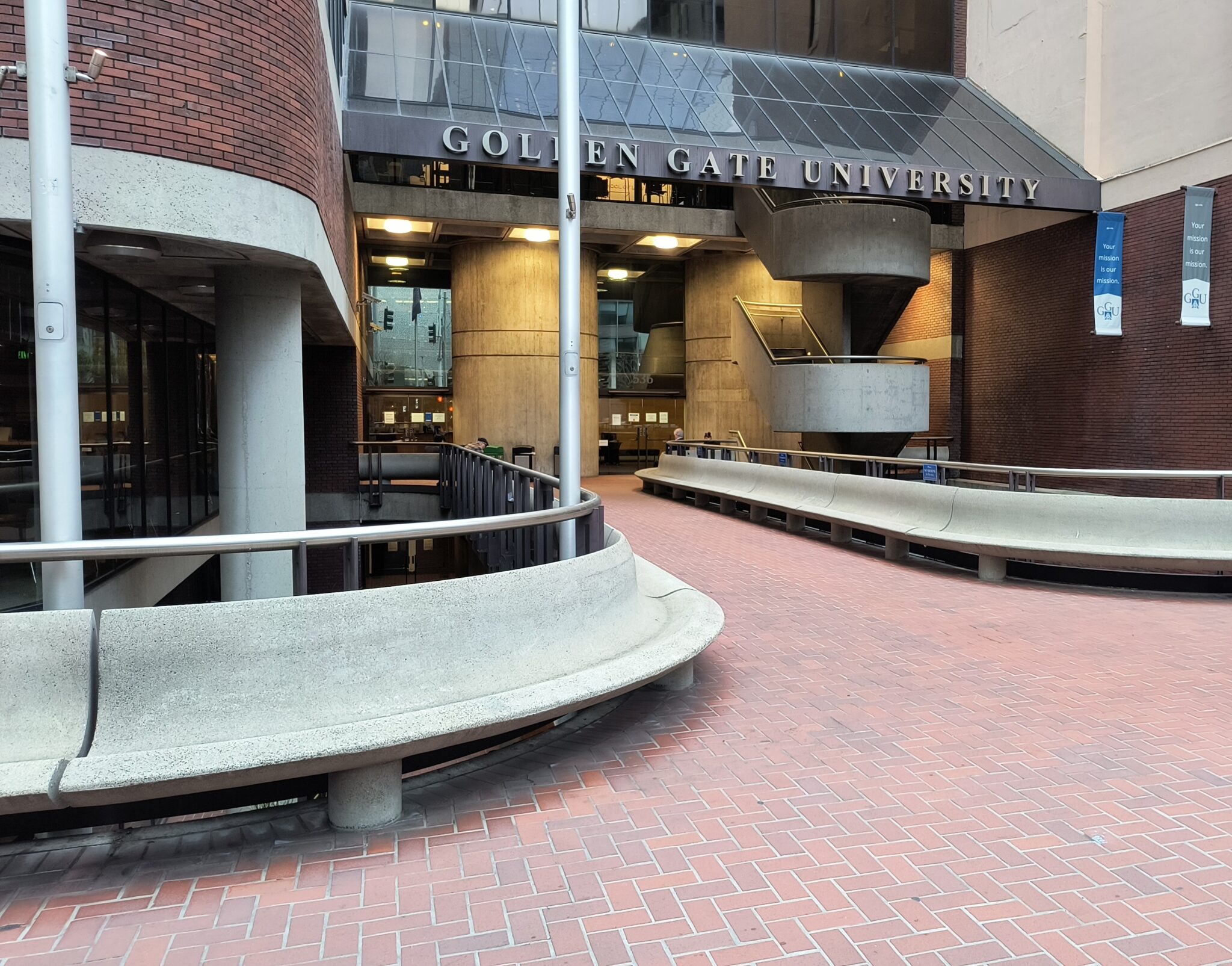
SF is also filled with something we don’t seem to have in Sacramento: Benches. These are everywhere, and sometimes the seating even becomes part of the design of the space.
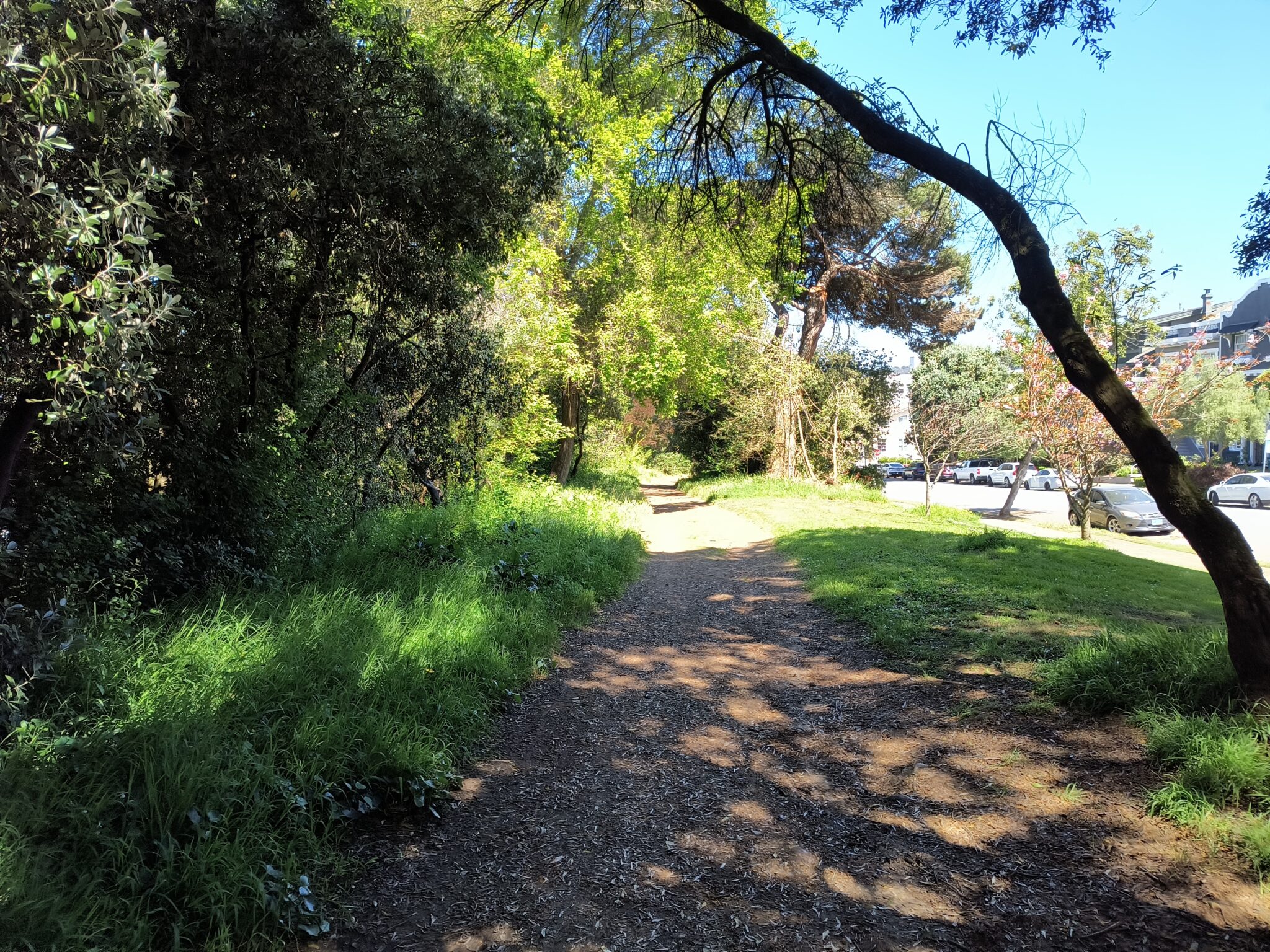
Later on, we visited Golden Gate Park. Walking through gave us plenty of birds and plants to enjoy which I could talk about endlessly, but that’s not the focus of this post. Starting there gave us the opportunity to see some interesting infrastructure on the way to the Internet Archive, though. If you don’t know, HWY 1 cuts through Golden Gate Park and travels North next to several homes. There’s a greenspace between the highway and the side streets filled with trees and a walking path which provides some beauty and privacy from the 1, and gave us a space to walk near the highway without feeling exposed and stressed by the literal highway next to us.
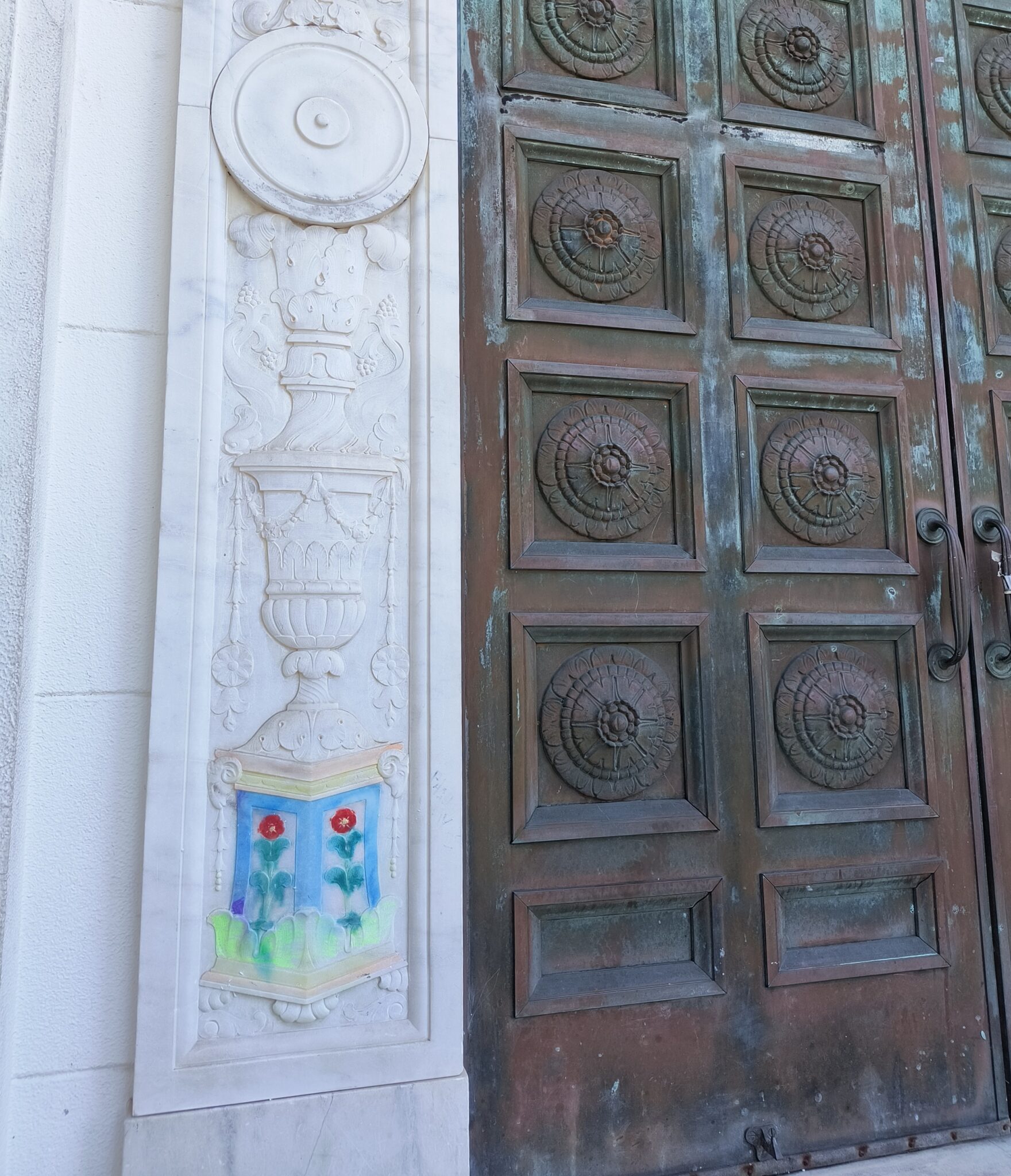
And when we finally arrived, there was a little treat on the marble out front.
Conclusion
SF still has a long way to go to be even more pedestrian friendly to visitors, but overall, Sacramento can learn a lot just by taking a short trip to the City by the bay and try seeing the world from the sidewalk.