Switch to a different priority:
We face ongoing budget deficits, leading to service cuts and layoffs that affect daily life. With COVID relief funds gone, the squeeze is only getting tighter. We can’t fix what we can’t see — transparent accounting is the first step toward a financially healthy city.
The budget is hard to understand
Our budget is hundreds of pages of dense text and tables. When one of our members tried to find what Sacramento spends on road repairs, she found the costs buried across three separate divisions. If one line item is that hard to track down, how can everyday residents have a meaningful say?
The budget should be presented through visuals, plain-language summaries, and interactive tools so everyone can follow the money. Other cities already do this — LA’s Controller uses TikTok and virtual town halls to break down their budget.
The budget hides the true cost
When we build a new road, we don’t budget for the inevitable replacement 20-30 years later. When we build parking areas — covering roughly 20% of our public space — we don’t account for the added drainage costs and increased summer heat. The City’s pavement condition reports reveal an alarming unfunded maintenance backlog, yet the budget categorizes streets as assets rather than liabilities, hiding the financial burden of millions of future potholes.
Without the full picture, decision-makers can’t make good choices — and it takes a Ponzi scheme of new growth to keep the city from going bankrupt.
Our Actions
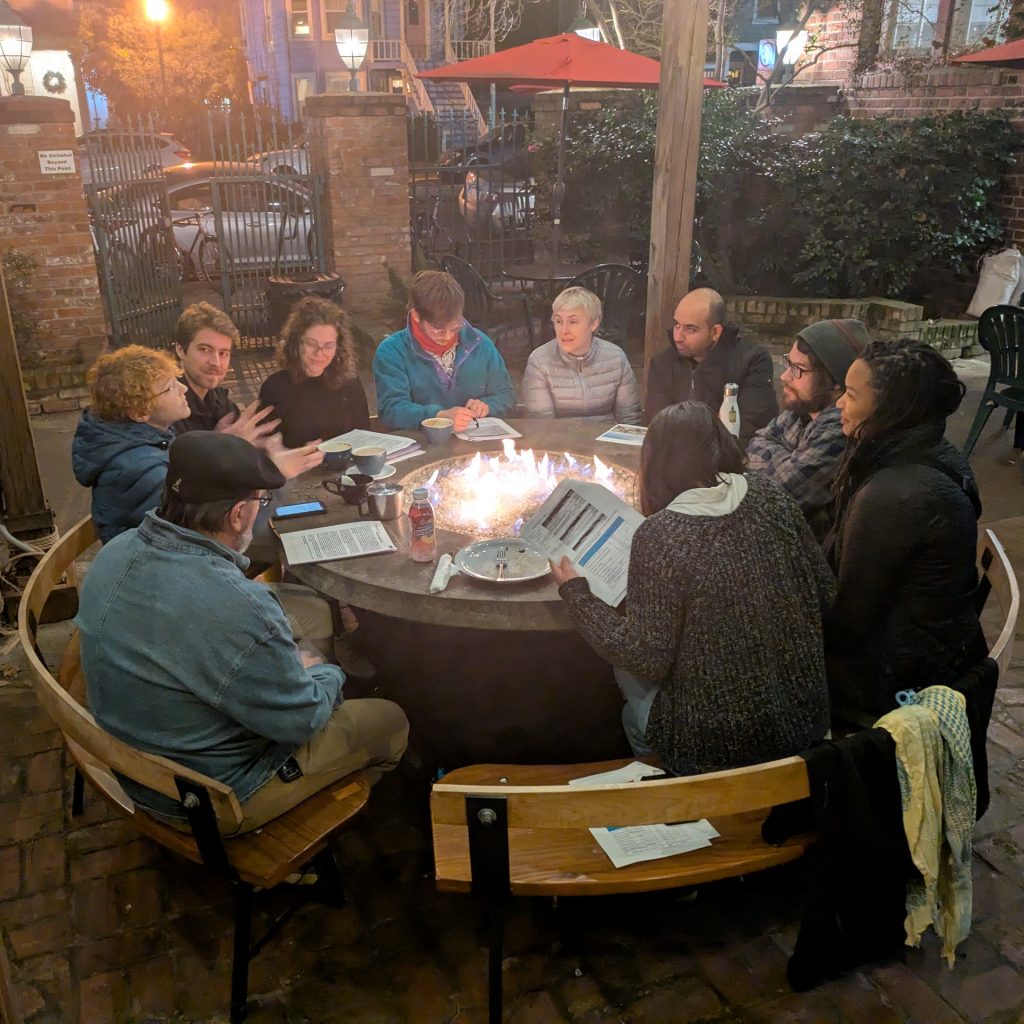
We’ve held dozens of budget learning sessions to help members understand where Sacramento’s money goes and falls short. We’ve published analyses of the city’s financial trends, including how low-density suburbs drive Sacramento into debt. And when the city proposed subsidizing parking at the Railyards with tax increment financing, we called it out.
Help make a difference! Join our Budget Working Group in-person and on Discord.