
Author: Troy Sankey
-
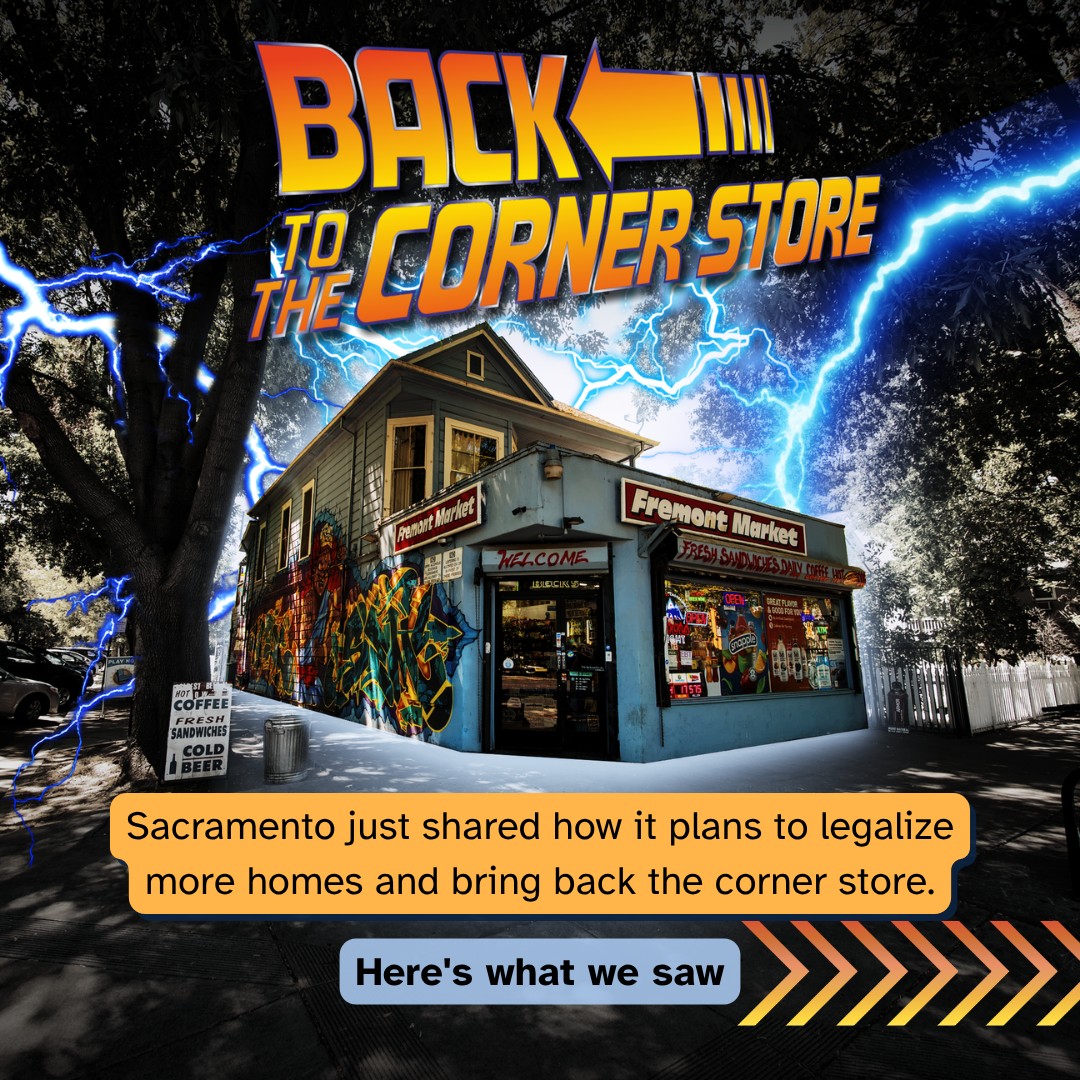
Back To The Corner Store
Sacramento’s zoning code update would legalize more homes and bring back the corner store. Here’s what we saw, and what needs work.
-
Our Comment on the June 2026 Draft County Zoning Amendments
Sacramento County’s draft zoning amendments would legalize duplexes in single-family zones and ease parking rules—real progress toward fiscal sustainability. But the draft still keeps a one-stall-per-unit minimum, a requirement linked to higher rents and fewer homes built. Read our letter.
-
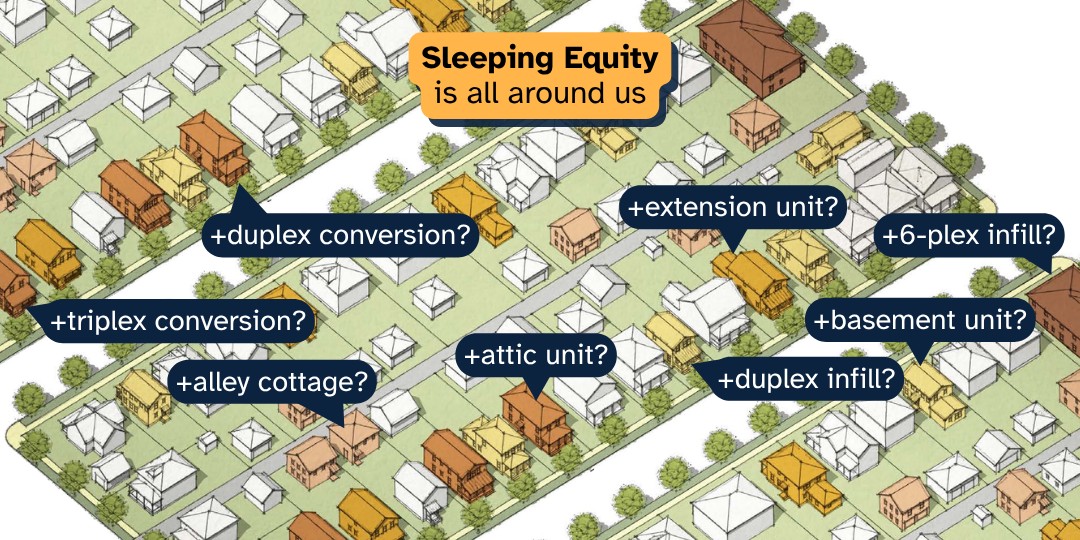
Sleeping Equity
Sacramento’s Biggest Housing Solution Lies Dormant In Our Backyards
-
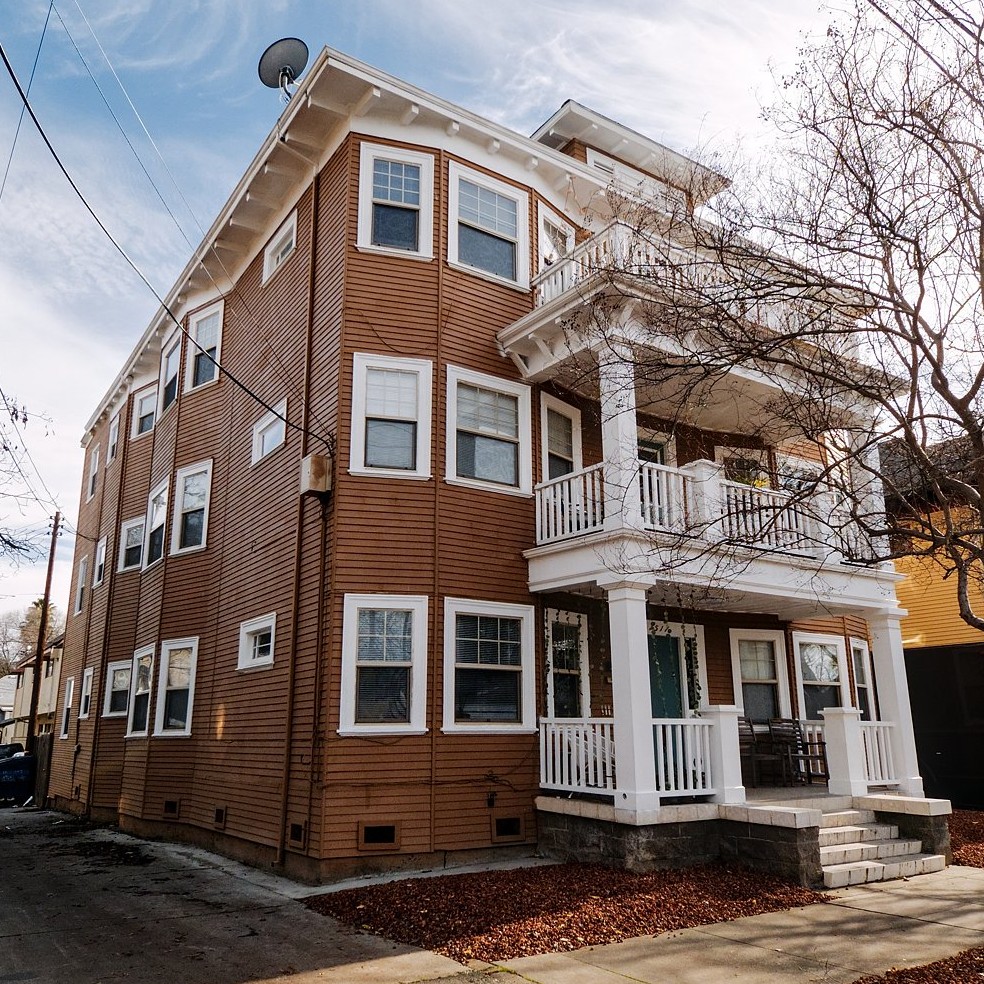
Save the 6-Plex: Council Workshop This Tuesday (4/14)
Staff are proposing standards that would keep traditional 6-plexes banned in most of Sacramento. Let Council know this Tuesday that we need to save the 6-plex.
-
Our Letter on City Budget Transparency for FY26-27
On March 18, 2026, our Budget & Transparent Accounting Working Group submitted a letter to the City’s Budget and Audit Committee asking for the budgeting process to be clearer and more transparent for average people. Suggestions ranged from a mailer with city budget basics to an interactive “Build your own budget” dashboard.
-
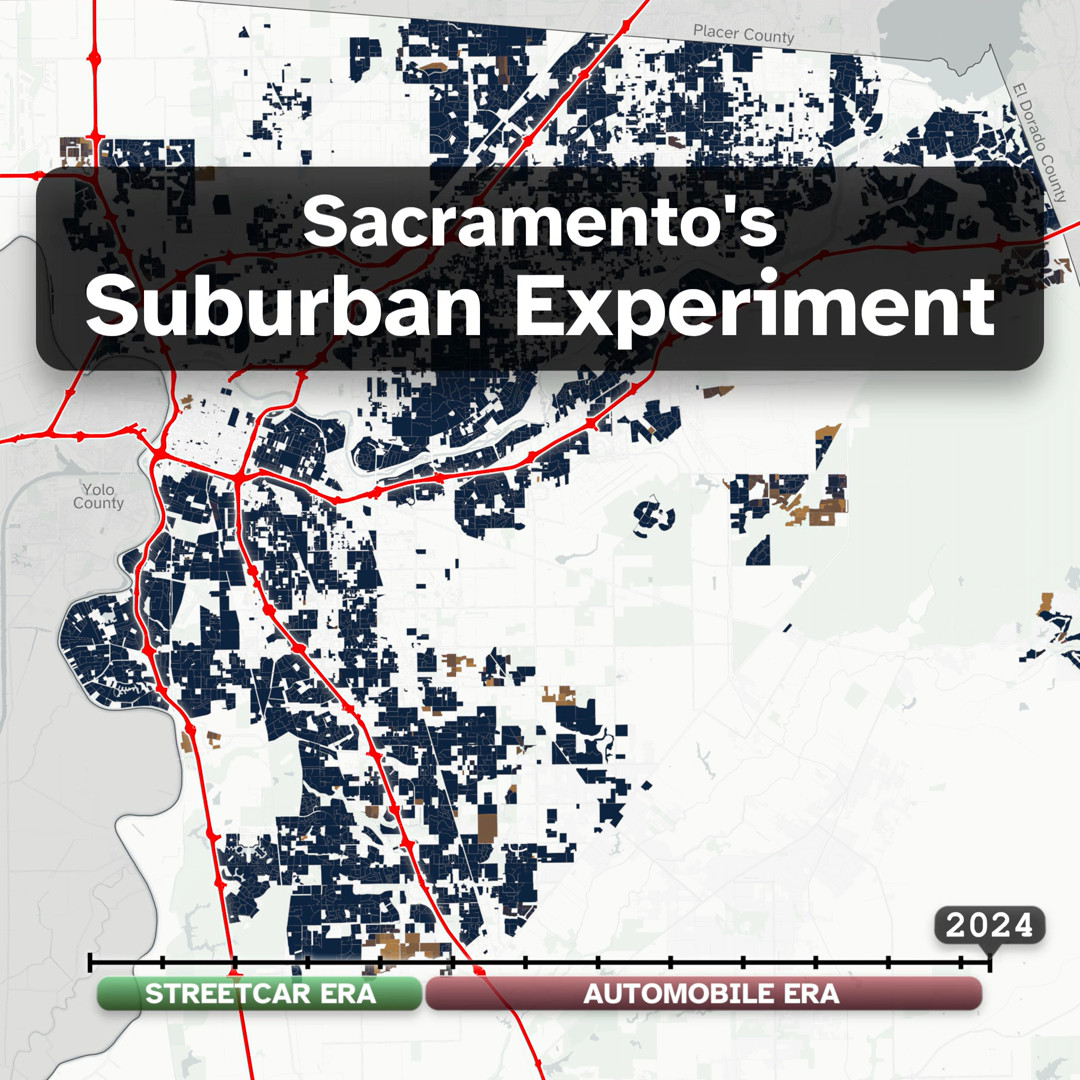
Sacramento’s Suburban Experiment
Since World War II, Sacramento has been running its most expensive experiment: build everything around the car, approve endless suburban subdivisions, and worry about the costs later. The bills are now due.
-
January Monthly Meeting
Our January Monthly Meeting will be on Thursday, January 8, 2026 – NOT January 1 due to the New Year’s Holiday.
-
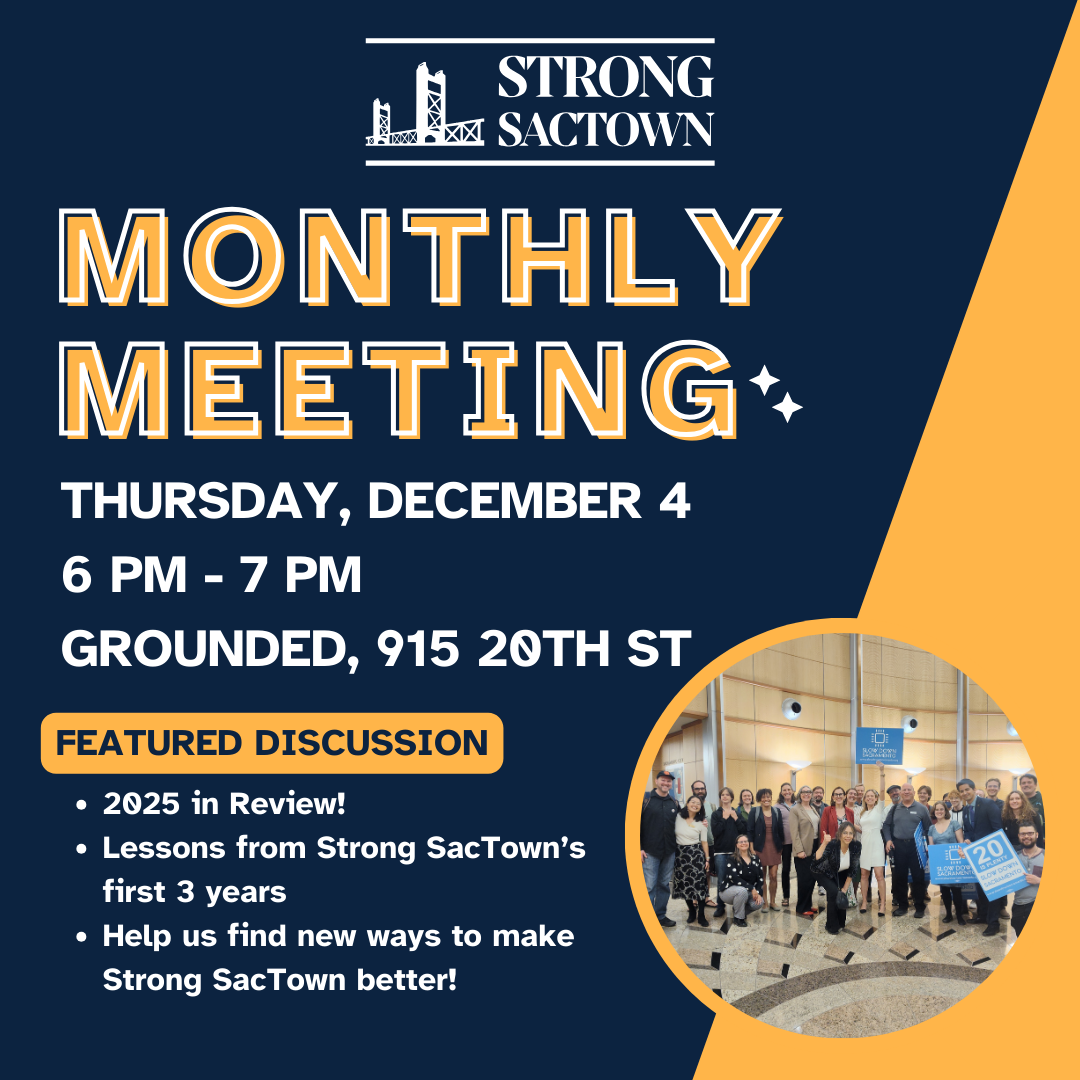
December Monthly Meeting
For our final monthly meeting of 2025, we’ll cruise down memory lane of our accomplishments and progress this year. And with our 3-year anniversary coming up in January 2026, we’ll share lessons we’ve learned about advocacy, change-making, and building a community.
-
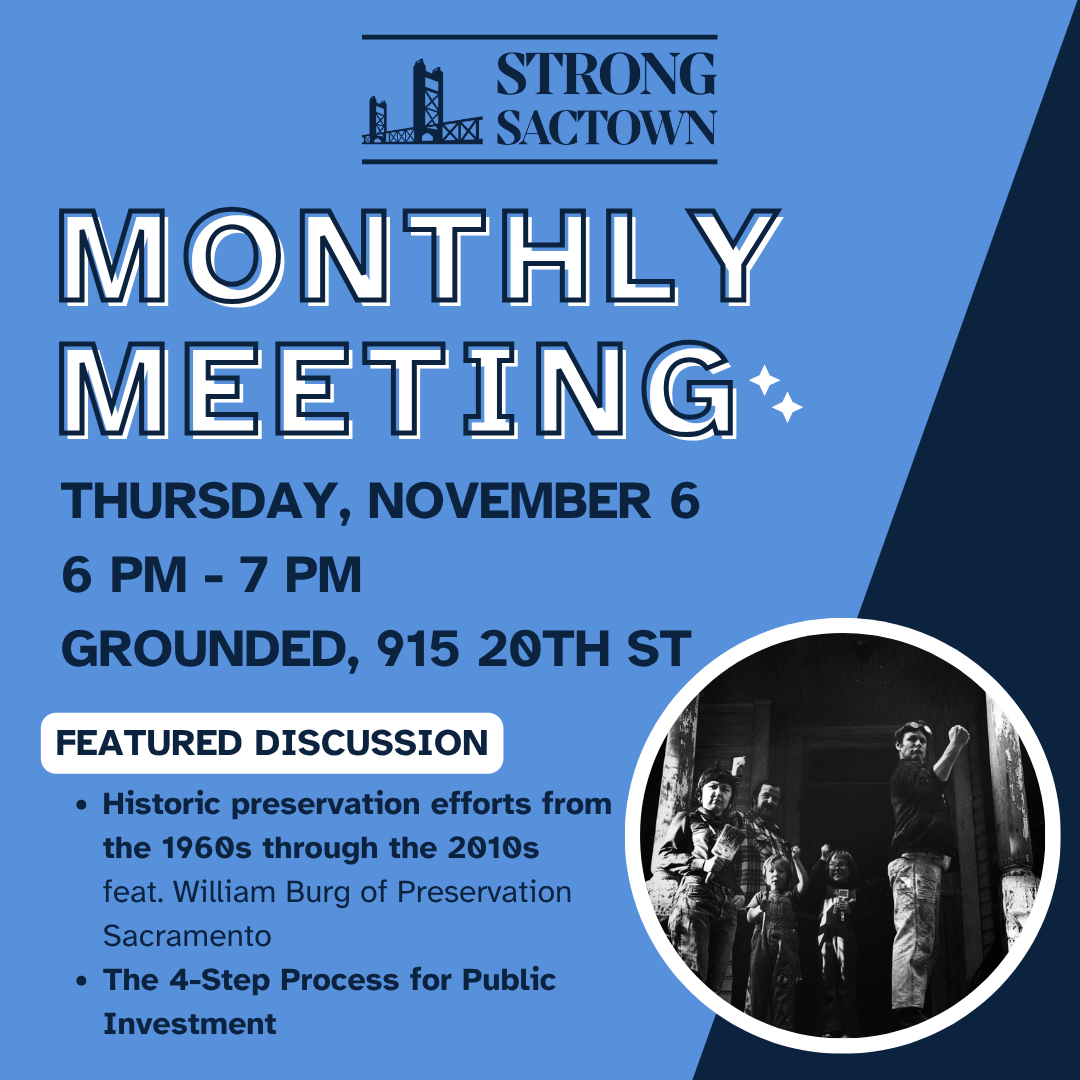
November Monthly Meeting
Our November Monthly Meeting will feature case studies on historic preservation efforts in Sacramento, a guide on using the Strong Towns 4-Step Process for Public Investment, and celebrations of our recent big events!
-
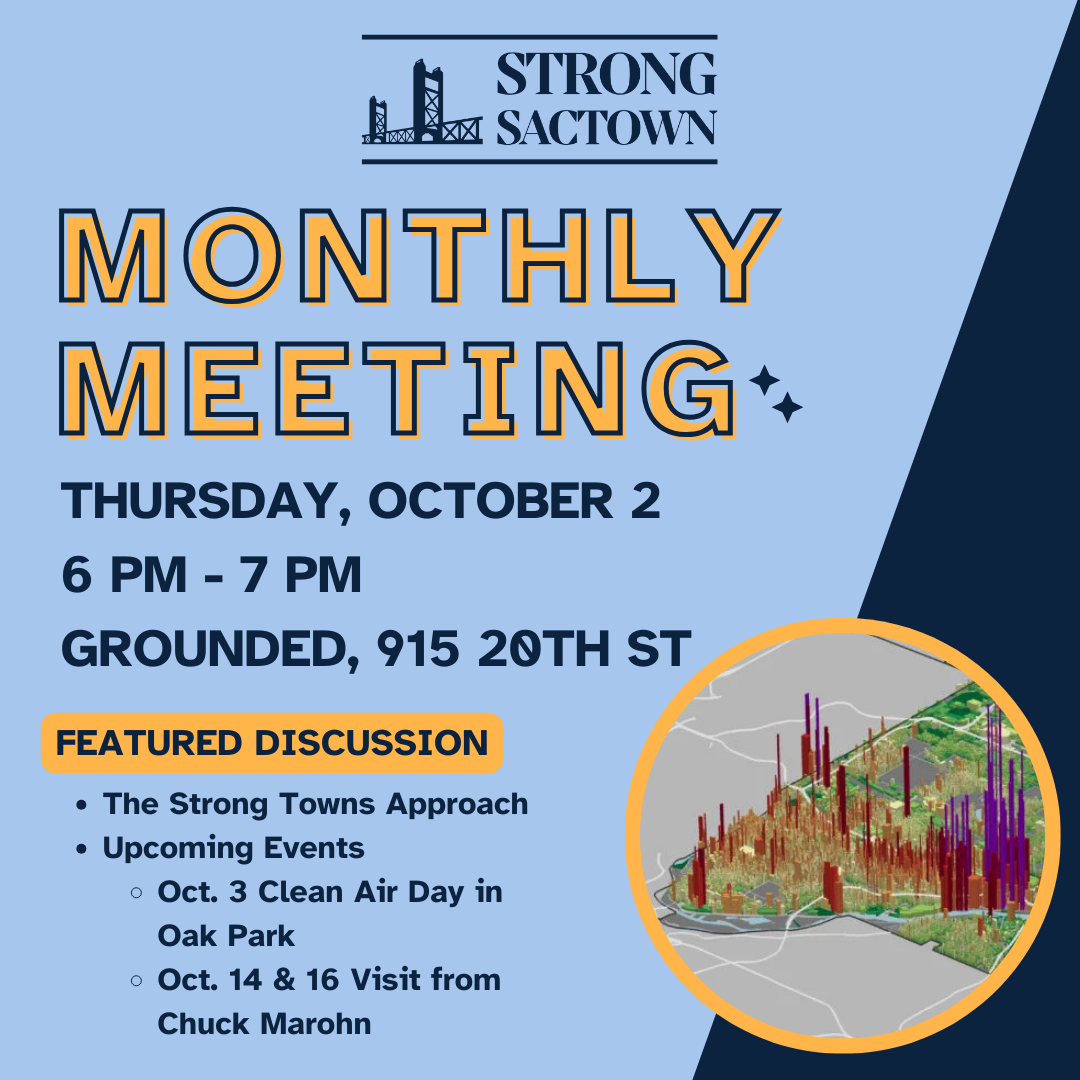
October Monthly Meeting
Our October Monthly Meeting will feature a crash course on how the Strong Towns approach can make Sacramento more financially and socially resilient.